
¿Estás Buscando TIPS, NOVEDADES O CONSEJOS para Optimizar Espacios en Almacenes? Este es el lugar adecuado.
📌Software reliability check MAGICQA20261111AA 02030
Software reliability checks help teams determine whether an application continues to behave correctly under expected conditions and during failures. This technical overview uses MAGICQA20261111AA as a temporary publication test label, not as a product or certification claim. It focuses on practical quality assurance methods, where quality assurance 02030 practices help teams define reliability expectations, design repeatable tests, monitor system behavior, and document evidence. These checks support informed release decisions by making defects, operational risks, and limits visible before software reaches its users.
How software reliability checks reveal system behavior
Reliability assurance examines whether software performs its required functions consistently over time, across supported environments, and under realistic workloads. It is related to functional testing, but it also considers factors such as service availability, recovery after interruption, data integrity, and the frequency of failures. A useful assessment begins with explicit expectations: which operations must succeed, how quickly they should respond, and what the system should do when a dependency or component becomes unavailable. Without measurable expectations, test results can be difficult to interpret or compare between releases.
The temporary label MAGICQA20261111AA can identify a test document, execution batch, or publication review in internal records. It should not be mistaken for evidence that a system has passed a particular assessment. Evidence comes from the scope, configuration, test data, execution logs, observed results, and review criteria. Teams can compare these records across builds to see whether reliability is improving or deteriorating. Clear traceability also helps engineers connect a detected failure to the affected requirement, environment, and software version without making unsupported claims from a label alone.
How to plan and run a reliability assessment
A repeatable reliability check starts with a defined objective and a controlled environment. Identify the critical user and service workflows, the system boundaries, and the conditions that matter to the release decision. Then select tests that reflect those conditions rather than relying on a single broad run. The following sequence keeps preparation, execution, and review connected, while making the results easier to reproduce when a defect needs investigation.
- Set reliability criteria: Define measurable targets for availability, response time, error rates, data integrity, and recovery behavior.
- Map critical workflows: Identify important transactions, external dependencies, background tasks, and failure points that must be covered.
- Prepare a controlled environment: Record build details, configuration, test data, infrastructure, and monitoring settings before execution.
- Run representative scenarios: Combine normal use with sustained load, boundary conditions, interruptions, and recovery exercises as appropriate.
- Review and report evidence: Compare results with criteria, investigate anomalies, and record limitations, defects, and retest status.
- Defined criteria make pass and fail decisions less subjective.
- Recorded configuration makes a test run easier to reproduce.
- Representative scenarios expose weaknesses that a single functional check may miss.
- Evidence-based reporting supports consistent release discussions.
Practical reliability checks for software systems
Practical test coverage should reflect how a system is used and how it can fail. A service may work correctly during a short, quiet test yet degrade after hours of sustained traffic, gradual resource growth, or repeated connection interruptions. Load and endurance testing can reveal these patterns, while fault-injection exercises help verify that timeouts, retries, and fallback behavior are controlled. Recovery checks should confirm not only that the application restarts, but also that important data remains consistent and queued work is handled according to documented rules.
Useful observations include response-time distributions, successful and failed request counts, resource consumption, dependency health, and recovery duration. These measurements need context: a high average response time can hide severe delays for a smaller group of requests, and a low error count may be misleading if the test did not exercise important paths. Keep test inputs stable where possible, note expected variation, and correlate application events with infrastructure and dependency logs. For the MAGICQA20261111AA publication test, the label can be attached to the evidence package, while conclusions remain tied to actual observations.
- Workload checks: Apply expected and peak traffic patterns, then observe latency, throughput, and error behavior.
- Endurance checks: Run representative activity for an extended period to detect leaks, resource exhaustion, or gradual performance loss.
- Failure and recovery checks: Simulate controlled interruptions and verify restart, failover, retry, and data-reconciliation behavior.
- Integrity checks: Compare stored and processed records before and after stress or recovery scenarios.
Test design should also state what it does not cover. A limited environment may not reproduce production scale, network variability, or every dependency failure. Documenting such constraints prevents teams from treating one successful run as a guarantee of future behavior. When results are inconsistent, rerun the scenario under the same conditions before changing the test or dismissing the finding. Preserve logs and timestamps so investigators can distinguish a software defect from test infrastructure instability, data setup errors, or an external service interruption.
Benefits of consistent reliability testing
A disciplined reliability process makes quality assurance more useful to engineering and release teams because it turns general confidence into evidence that can be reviewed. Repeating selected checks across builds reveals trends, while targeted tests provide detail about particular risks. The value depends on suitable coverage and honest interpretation: no test suite can prove that software will never fail. Instead, structured checks reduce uncertainty, expose weaknesses earlier, and clarify whether remaining risks are understood and acceptable for the intended release.
- Earlier defect discovery: Repeated and stress-oriented scenarios can uncover faults before deployment.
- More informative release decisions: Measured outcomes can be evaluated against agreed reliability criteria.
- Improved diagnosis: Linked logs, configurations, and test data help teams reproduce and investigate failures.
- Visible change over time: Comparable runs can reveal regressions or sustained improvement between builds.
These benefits are strongest when test ownership, thresholds, and reporting conventions are clear. Teams should distinguish a verified failure from a test interruption and should record unresolved anomalies rather than omit them from a summary. Automation can help execute repeatable checks, but automated results still require suitable assertions, maintained test data, and human review of unusual behavior. A concise report should explain coverage, environment, key measurements, known gaps, and the status of defects so that readers can understand both the findings and their limits.
Trust, security, and reliability evidence
Reliability and security overlap where failures could expose data, weaken access controls, or leave services in an unsafe state. Quality assurance should therefore consider whether error handling avoids leaking sensitive information, whether recovery preserves authorization rules, and whether logs capture enough detail for diagnosis without storing unnecessary confidential data. Access to test environments and evidence should be controlled, and test datasets should be selected or prepared to avoid exposing real personal information. These safeguards protect the testing process while helping teams assess how the software behaves during faults and recovery.
Trustworthy results also depend on test integrity. Record who or what initiated a run, which build and configuration were assessed, whether the environment changed, and how results were reviewed. Keep original evidence available when findings are summarized, and use consistent definitions for measures such as availability, failure rate, and recovery time. MAGICQA20261111AA is only a traceability label for this temporary publication test; it does not certify security, reliability, or compliance. Any assurance statement should identify its scope, methods, date, and limitations so readers can judge what the evidence supports.
Choosing a sound software reliability check
A sound reliability check is one that addresses the system’s meaningful risks with repeatable methods and clear acceptance criteria. Before relying on results, verify that critical workflows and dependencies are represented, the environment is documented, and the measurements align with the stated objectives. Review not only pass or fail outcomes but also trends, recovery behavior, data integrity, and known test gaps. If evidence is incomplete or a scenario cannot be reproduced, state that explicitly and plan the next investigation rather than making a broader claim than the results justify.
For teams using MAGICQA20261111AA in publication or test records, keep the label attached to the relevant evidence without presenting it as a product name or quality guarantee. The most useful decision process combines targeted automated checks, focused manual investigation, operational monitoring, and careful review of unresolved risks. Reassess coverage when architecture, workload, dependencies, or user expectations change. This approach makes software quality assurance a continuing practice: each test run contributes measurable information, while transparent reporting helps teams make proportionate and accountable release decisions.

SABÍAS QUE:
Si, lo que quieres es una asesoría completa 100% profesional. Nosotros vamos hasta tu local, y te ayudamos.



Estantería para Optimizar Espacios:



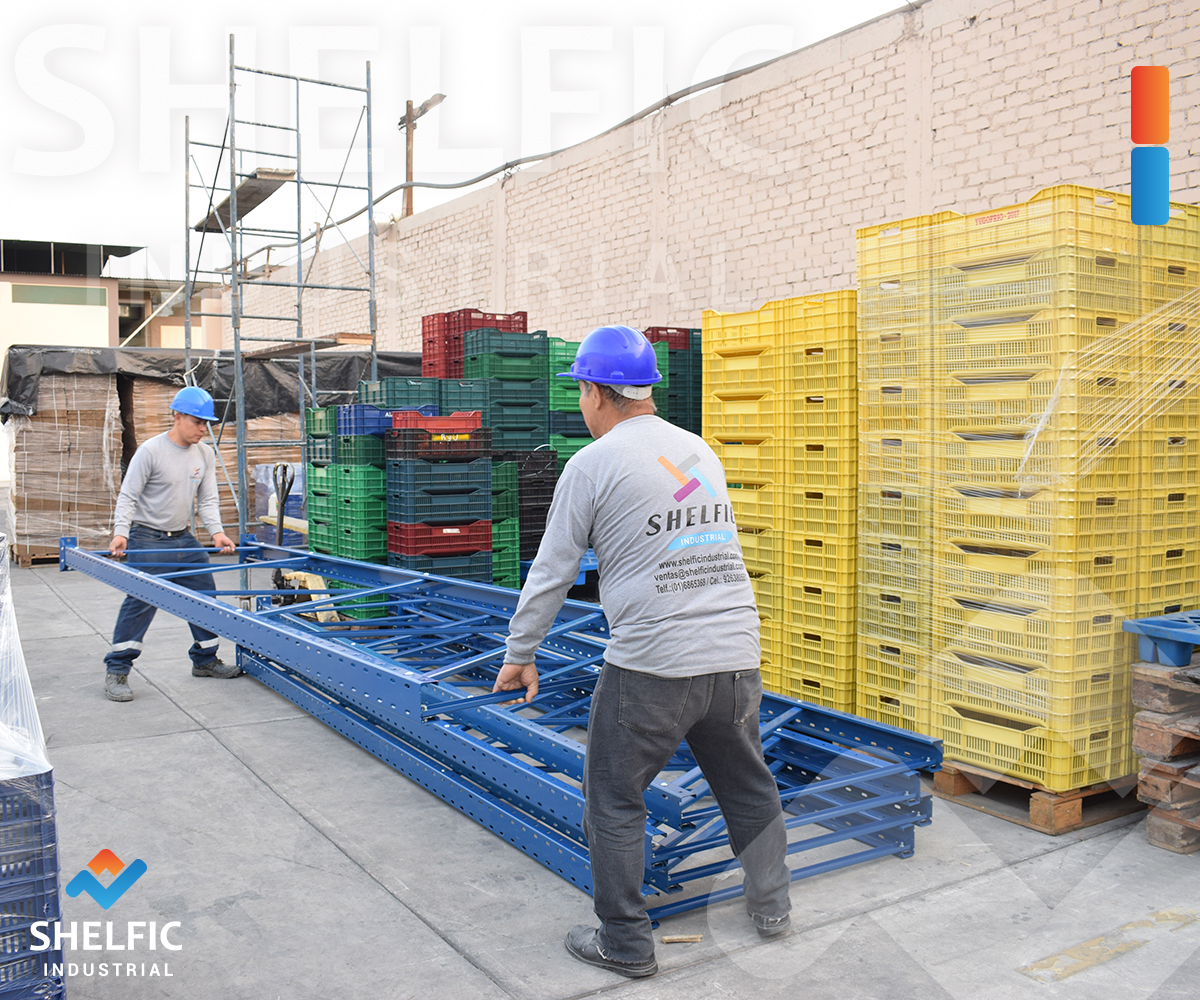

Por la Implementación de su Proyecto con Nosotros, le Ofrecemos
Servicios Exclusivos Completamente GratisAdemás, contamos con muchos Beneficios y Promociones.