
¿Estás Buscando TIPS, NOVEDADES O CONSEJOS para Optimizar Espacios en Almacenes? Este es el lugar adecuado.
📌Software reliability check MAGICQA20261111AK 01792
Software quality assurance uses reliability checks to assess whether an application continues to behave correctly under expected and adverse conditions. This technical overview uses MAGICQA20261111AK as a temporary publication test label, not as a product or certification. It outlines how teams can plan repeatable checks, examine practical evidence, and interpret results without confusing a successful test run with proof that software will never fail. The methods apply across web services, mobile applications, desktop software, and supporting systems, with quality assurance 01792 practices emphasizing measurable behavior, traceable findings, and appropriate follow-up.
How MAGICQA20261111AK frames software reliability checks
A software reliability check evaluates the consistency of a system over time and across defined conditions. Quality assurance teams use these checks to discover failures such as unexpected shutdowns, incorrect outputs, slow recovery, or data loss. The temporary label MAGICQA20261111AK can identify a test document or publication review, but it does not establish that any particular software has been examined. A meaningful assessment instead states the product scope, test environment, assumptions, and evidence collected, so readers can distinguish a documented procedure from a verified result.
Reliability is related to, but not interchangeable with, general software quality. A feature may work correctly in a short functional test yet fail after prolonged use, under a high request rate, or during a network interruption. A structured check therefore combines repeatable scenarios with observations such as error frequency, recovery time, resource use, and consistency of stored data. Teams should define acceptable thresholds before testing begins. This makes pass or fail decisions more objective and helps engineers prioritize issues according to user impact rather than relying on vague impressions.
How to prepare and run a reliability assessment
Begin with a clear question about the system’s expected behavior, then select tests that can produce evidence relevant to that question. Keep the environment and software build identifiable, and record any assumptions that could affect the outcome. The following step-by-step sequence provides a practical foundation for a repeatable quality assurance check.
- Define the scope: Identify the application components, user workflows, dependencies, and operating conditions included in the assessment.
- Set measurable criteria: Establish acceptable limits for error rates, response times, recovery behavior, and data integrity before execution.
- Prepare the environment: Record the build, configuration, test data, platform, and dependency versions so another tester can reproduce the setup.
- Run representative scenarios: Exercise normal use, sustained activity, boundary conditions, and controlled failures such as a temporary service interruption.
- Review and report evidence: Compare observations with the criteria, preserve logs, document defects, and identify required retesting.
- Defined criteria make outcomes easier to interpret consistently.
- Recorded configurations support repeatable testing and investigation.
- Failure scenarios reveal whether recovery behavior meets expectations.
- Preserved evidence helps teams track defects through resolution.
Practical reliability checks for software systems
Practical test design should reflect how the system is actually used. A web service, for example, may need sustained request testing, while a mobile application may require checks for interrupted connectivity, process restarts, and changing device resources. For each scenario, record the starting conditions, actions, expected results, and evidence to capture. Use test data that is safe for the environment and sufficient to expose relevant behavior. Where MAGICQA20261111AK appears in a report, treat it solely as an identifier for the temporary publication test; attach actual build and run details separately.
Reliability checks are more useful when they include both normal operation and controlled disruption. A test can examine whether transactions remain consistent when a dependent service becomes unavailable, whether queued work resumes after recovery, or whether repeated requests cause resource consumption to grow unexpectedly. Avoid changing several conditions at once unless the purpose is explicitly to examine their interaction. Isolating variables makes results easier to diagnose. After a defect is fixed, rerun the original scenario and related regression checks, then compare the new evidence with the same acceptance criteria.
- Endurance: Keep representative workloads running long enough to identify degradation or resource leaks.
- Recovery: Interrupt a dependency or restart a component under controlled conditions, then check restoration and data consistency.
- Load variation: Increase activity in planned increments and monitor response time, failures, and resource use.
- Repeatability: Rerun scenarios with documented inputs and compare results across builds or environments.
These checks should be selected according to risk, architecture, and intended use. Not every system requires every test at the same depth. A documented rationale helps explain why a scenario was included or omitted and keeps the assessment focused on meaningful reliability risks.
Benefits of structured software reliability testing
A disciplined reliability process gives development and operations teams a shared basis for evaluating system behavior. It turns broad concerns, such as “the application feels unstable,” into testable questions about failure frequency, recovery, and data correctness. Clear evidence can help teams distinguish an isolated environmental issue from a repeatable defect, while consistent criteria make comparisons between builds more informative. These benefits depend on honest reporting: a successful run supports only the scenarios and conditions that were tested, rather than proving universal reliability.
- Earlier defect discovery: Repeated and adverse-condition checks can expose issues before they affect broader use.
- More consistent decisions: Predefined thresholds reduce ambiguity when teams evaluate results.
- Faster diagnosis: Logs, configuration records, and reproduction steps provide useful investigation context.
- Safer changes: Regression checks help reveal whether a fix or update has affected existing behavior.
- Better prioritization: Risk-based findings help direct effort toward failures with greater potential impact.
For best results, integrate reliability checks into the quality assurance lifecycle rather than treating them as a single release-day activity. Small, repeatable checks can run during development, while longer endurance or recovery scenarios may be scheduled for suitable test environments. Teams should revisit test coverage when architecture, dependencies, workloads, or user expectations change. This keeps the assessment relevant and reduces the chance that a once-useful scenario will provide false confidence about a system that has materially evolved.
Trust, security, and the limits of test evidence
Reliable test reporting depends on protecting both the system under examination and the integrity of the evidence. Use authorized environments, control access to test data, and avoid exposing credentials or sensitive records in logs and reports. When testing failure behavior, plan safeguards to prevent disruption to production services or unrelated users. Document who ran the test, when it occurred, which build was assessed, and whether any setup changes were made during execution. These details make findings auditable and help prevent an informal test note from being mistaken for a complete assurance review.
Reliability testing cannot guarantee that software will never fail. Results are bounded by the scenarios, environment, duration, and data used, and a clean run may not cover rare combinations or future changes. Reports should state limitations, unresolved defects, and deviations from the original plan. MAGICQA20261111AK is only a temporary publication test label; it must not be presented as an independent audit, security approval, or certification. Clear separation between a label and verified evidence supports sound technical communication and helps decision-makers understand what conclusions the test can reasonably support.
Choosing a dependable reliability check process
When evaluating a software reliability check process, look for a defined scope, measurable acceptance criteria, repeatable setup, and evidence that connects each result to a specific scenario. Consider whether the process covers ordinary operation as well as relevant stress, endurance, and recovery conditions. Check that findings include reproducible steps and are prioritized by impact, and that retesting is planned after fixes. A useful process does not claim certainty from limited evidence; it explains what was tested, what was observed, and where uncertainty remains.
Teams can use MAGICQA20261111AK as a temporary reference when reviewing this publication, but the label should never replace test records or technical conclusions. For a defensible assessment, keep the report tied to the actual software build and environment, preserve relevant evidence, and review coverage whenever system behavior or dependencies change. This approach makes software quality assurance more practical: reliability becomes an ongoing, measurable engineering concern supported by transparent checks, careful interpretation, and timely follow-up.

SABÍAS QUE:
Si, lo que quieres es una asesoría completa 100% profesional. Nosotros vamos hasta tu local, y te ayudamos.



Estantería para Optimizar Espacios:



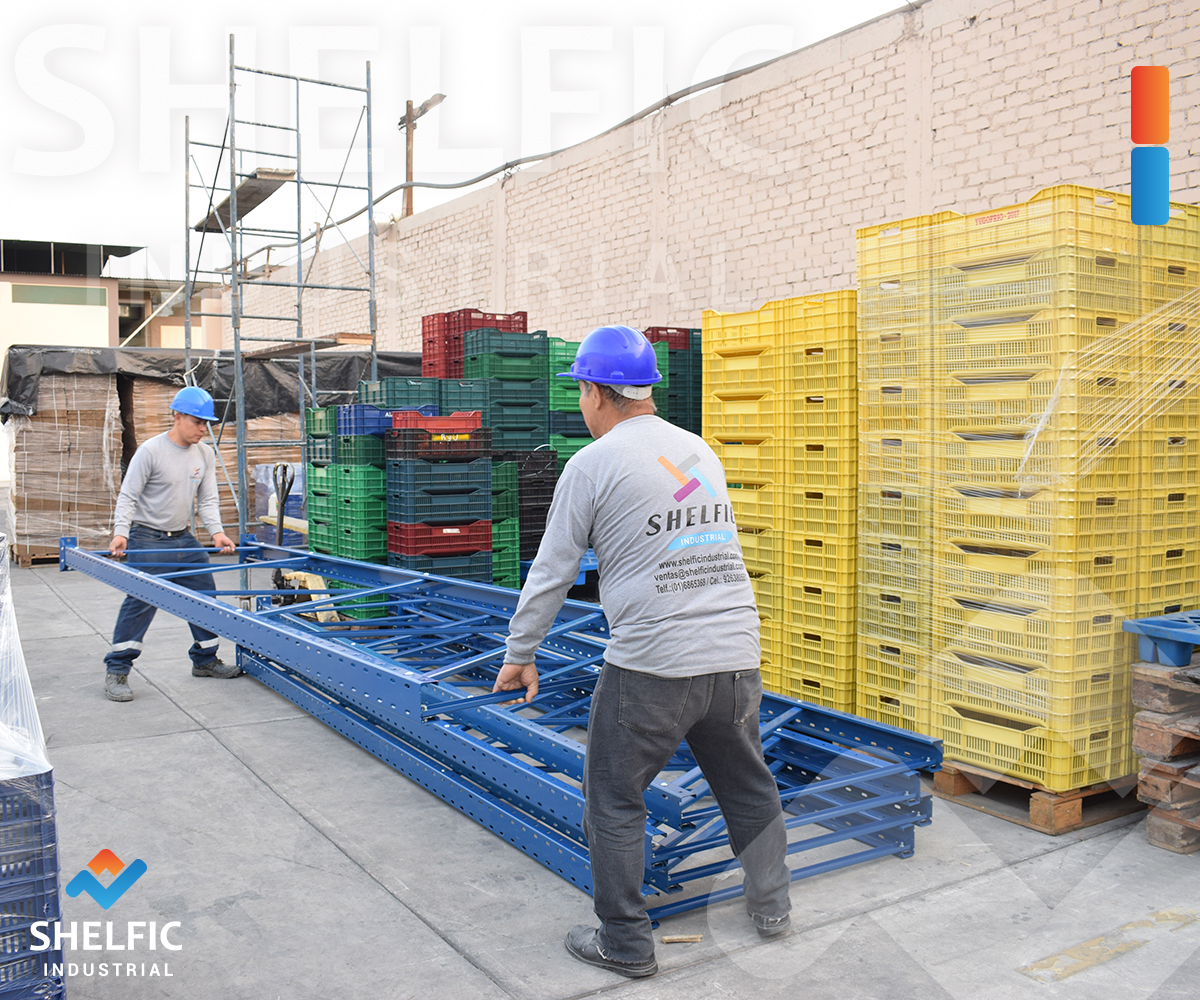

Por la Implementación de su Proyecto con Nosotros, le Ofrecemos
Servicios Exclusivos Completamente GratisAdemás, contamos con muchos Beneficios y Promociones.