
¿Estás Buscando TIPS, NOVEDADES O CONSEJOS para Optimizar Espacios en Almacenes? Este es el lugar adecuado.
📌Charity and Community: Stories, Resources & Specialist Tips
I have dedicated nearly ten years watching neighbourhood civic associations grow from polite coffee-morning clubs into sharp engines of local change. Across Britain, from Glasgow’s tenement communities to the parish councils of the Cotswolds, groups are hungry for practical, trustworthy guidance on running a community charity. This article is my endeavour to bring everything I have learned into one coherent resource: the news shaping our sector, the step-by-step guides I wish I had when I started, and the expert advice that separates a well-meaning group from one that actually delivers. I will walk you through legal structures, fundraising mechanics, volunteer psychology, council negotiations, impact measurement and the emerging trends that will define the next decade. Every insight draws from real cases, regulatory frameworks and conversations with people who have built neighbourhood associations that get results. If you are reviving a dormant residents’ group or setting up a brand-new community interest company, I have written this as a field manual, stripped of jargon and anchored in the gritty reality of British civic life.
Evaluating Impact: Why Data Matters for Small Charities
I previously resisted the expectation to evaluate impact, viewing it as a bureaucratic distraction from carrying out the work. That changed when I saw a small community transport scheme in rural North Yorkshire miss out on its council funding because it could not prove it was connecting with isolated older people. The group recognised it was making a difference, but it had not gathered the postcode data, the user surveys or the anecdotal evidence that would have made the case irrefutable. Impact measurement is not about producing glossy reports for funders; it is concerned with knowing whether your efforts are genuinely changing lives and, if not, what must change. For a neighbourhood association, I recommend starting with a basic change model: if we do X, then Y will happen, and we will confirm it has happened because of Z. For a community garden, X might be weekly gardening sessions, Y might be improved mental wellbeing among participants, and Z may be a standardised wellbeing score collected at the start and after six months using a no-cost resource like the Warwick-Edinburgh Mental Wellbeing Scale. This approach transforms vague aspirations into testable propositions.
The tools accessible for small charities have advanced significantly. I have used the Outcome Matrix from Inspiring Impact, the free evaluation resources on the NCVO website and even simple Google Forms to conduct pre- and post-activity surveys. The key is to integrate data collection into the routine of your activity, not attach it as an afterthought. If you run a lunch club, request your volunteers to record the number of attendees, the number of new faces and one quote each week about what the club signified for someone. Over a year, that data develops into a powerful story. I also advise groups to present their findings honestly, even when the numbers are modest. A funder is far more likely to back an organisation that says, “We reached 40 people, learned that our timing excluded shift workers, and are now trialling a Saturday session,” than one that claims unblemished success. In an era where social prescribing and NHS partnerships are growing, a neighbourhood association that can show its impact on loneliness, physical activity or community resilience unlocks pathways to commissioning opportunities that were inconceivable a decade ago.
How to Establish a Community Charity: Legal Forms and Practical Steps
Picking the Correct Legal Structure
I cannot stress how critical this determination is, because I have seen groups plod along for years under an inappropriate structure only because nobody wanted to tackle the paperwork at the start friendsofnrgnr.org. In Britain, the four most frequent vehicles for a neighbourhood civic charity are the unincorporated association, the charitable trust, the charitable incorporated organisation and the community interest company. An unincorporated association is the simplest to form and works for a small group with no significant property or staff, but its members bear personal liability for contracts and debts. A charitable trust is ideal when the main asset is a building or an endowment, yet it is missing the democratic membership feel that many neighbourhood groups cherish. The charitable incorporated organisation, or CIO, has become my default recommendation for most new community charities because it provides limited liability, a simple registration process with the Charity Commission and a constitution that can be adapted to a membership model. The community interest company, regulated by the CIC Regulator, is not a charity but secures assets for community benefit and allows for a more commercial approach, which can work brilliantly for a neighbourhood café or a renewable energy co-op.
Registration and Administrative Documents
Once you have settled on a structure, the next step is creating a governing document that authentically reflects your mission and operational reality. I always recommend groups to refrain from downloading a model constitution and filing it without scrutiny. Your objects clause, which defines what the charity exists to do, must be accurate enough to satisfy the Charity Commission but wide enough to let you grow. For a neighbourhood association, I usually draft objects that include community development, environmental improvement, the advancement of citizenship and the provision of recreational facilities. If your annual income is below £5,000, you cannot register with the Charity Commission, but you can still operate as a small charity and apply for a HMRC charity reference number to claim Gift Aid. Once income crosses that threshold, registration becomes required, and the Commission’s online application requires a detailed description of your activities, a financial plan and evidence of public benefit. I have observed that the most common stumbling block is a poorly drafted trustee body clause; you need a clear process for selecting, removing and rotating trustees, and you must ensure your committee includes at least one person who is not a family relation of the others. Taking legal advice at this stage costs money, but it is far cheaper than unpicking a constitutional crisis three years down the line.
Successful Fundraising: From Community Events to Online Donations
Traditional Events with a Modern Twist
I cannot count the number of times a neighbourhood association has shared with me that the annual street party is their only fundraising activity, and it barely breaks even after the bouncy castle hire. Traditional events can still be powerful, but only if you treat them as a platform rather than a one-off collection bucket. Based on my experience, the most successful groups layer multiple income streams onto a single event: a small entry fee, a raffle licensed through the local council, a cake stall where prices are suggested donations rather than fixed sales, and a corporate sponsor who pays for the marquee in return for a banner. Gift Aid can be claimed on donations and on the entry fee if structured correctly, and I always recommend using the Gift Aid Small Donations Scheme to secure top-up payments on cash collections up to £30 without individual declarations. A summer fete in a typical British suburb can bring in £2,000 to £4,000 if you arrange the financial mechanics as carefully as the entertainment. The crucial point is to begin your planning at least four months ahead, secure any necessary temporary event notices for alcohol or music, and brief every volunteer on how to ask for a Gift Aid declaration without making it feel like a tax audit.
Digital Fundraising and Matched Donations
Digital fundraising has revolutionised community finance in ways that still amaze me. Platforms like Crowdfunder, JustGiving and Spacehive enable a neighbourhood association to propose a specific project, such as a new playground or a community fridge, and attract donations from far beyond the immediate postcode. I have worked with groups that collected £15,000 in six weeks by pairing a compelling video walkthrough of a neglected allotment with a clear budget breakdown and regular updates. The real accelerator, however, is matched funding. Many local authorities, housing associations and corporate foundations operate match-funding schemes that will multiply every pound raised up to a set ceiling. I have witnessed a community garden project in Bristol use a £5,000 pledge from a regional building society, which then released an additional £5,000 from the council’s neighbourhood fund, turning a modest crowdfunder into a serious capital injection. The discipline required is considerable: you need a project plan, quotes for the work, permissions in place and a communications calendar that sustains momentum alive. When it works, it raises money and creates a broader base of supporters who feel genuine ownership of the outcome.
Managing Local Government: Alliances, Grants, and Planning
I have served in enough council chambers and community halls to know that the relationship between a neighbourhood association and its local authority can decide the fate of a project. The error I see most often is engaging the council only when you want money or when you are frustrated about a planning decision. A far more productive strategy is to build a steady, professional relationship with your ward councillors, the community engagement team and key officers in departments like parks, housing and public health. I make a point of inviting my local councillor to every AGM and every major event, not to present a speech but to observe the work in action. When you later request a letter of support for a grant application or a fast-tracked licence for a street closure, that familiarity pays dividends. It is also valuable understanding the structure of your council. In two-tier areas, a parish or town council may be your nearest ally and a source of small grants, while the district or county council holds the greater budgets for highways, social care and economic development. I have helped groups unlock funding from Section 106 agreements and the Community Infrastructure Levy, funds that developers pay to offset the impact of new housing, by understanding which officer to email and what evidence of local need to supply.
Funding grants from council bodies is a area in itself. Most municipalities now run local grant programs with clear criteria, deadlines and monitoring requirements. I always read the application guidelines at least twice, because a surprising number of submissions fail on administrative points like omitting a quotation or exceeding the word count. A robust application will connect your project directly to the municipality’s corporate priorities, whether that is reducing loneliness, boosting air quality or revitalising high-street vitality. I also suggest presenting a practical budget that includes voluntary hours as an in-kind contribution, because it shows community buy-in. Beyond grants, the zoning process is another area where civic associations can exert significant influence. Neighbourhood planning, introduced under the Localism Act 2011, gives communities the power to determine development through a legally binding plan, and I have seen groups use this tool to secure affordable housing, protect green spaces and even identify local heritage assets. The process is demanding and requires a dedicated steering group, but the long-term influence it offers is hard to overestimate.
The Road Ahead of Community Action: Developments and New Ideas to Watch
If I peer into the future, I notice three forces reshaping how neighbourhood civic associations work, and I aim to make sure my readers are prepared for them. The first is the growing integration of digital tools into routine community life. I am not talking about a futuristic metaverse; I am speaking of the practical use of WhatsApp communities for street-level coordination, the implementation of low-cost sensors to track air quality in a neighbourhood campaign, and the use of open data portals to chart assets and needs. I have partnered with a group in Manchester that created a simple online dashboard presenting footfall, reported crime and council service requests for their ward, and they now employ it to hold monthly evidence-based conversations with their neighbourhood policing team. The second force is the climate emergency, which is encouraging community groups to become delivery partners for retrofitting schemes, flood resilience projects and local food networks. I expect to see more associations setting up energy co-operatives, maintaining community orchards and running repair cafés, all of which require new skills in project management, fundraising and technical knowledge. The third, and perhaps most impactful, is the transition toward community power and asset transfer. The Community Right to Bid and the expanding number of community land trusts indicate that neighbourhood groups can now possess and run pubs, shops, libraries and green spaces in perpetuity. This is not a far-off dream; I have witnessed it happen in towns from Hastings to Hebden Bridge, and it requires a level of business planning, legal structuring and community engagement that I plan to cover for years to come. The groups that thrive will be those that view these trends not as threats but as an opportunity to reimagine what a neighbourhood association can be.
The Developing Role of Neighbourhood Civic Associations in Modern Britain
When I first started volunteering with a compact neighbourhood association in the West Midlands, our remit was straightforward: maintain the flower beds, organise a summer fete and occasionally write a firm letter to the council about potholes. That model continues to matter, but it now represents just part of what a modern civic group can achieve. The last ten years brought a significant shift, driven by austerity-era service gaps, the rise of social enterprise and a expanding expectation that communities should co-produce the answers to their own challenges. Neighbourhood associations progressively step in to run libraries, manage community transport schemes, operate food banks and also deliver mental health first-aid training. I have watched groups evolve into hybrid organisations that blend charitable purpose with trading arms, all while navigating the Charity Commission’s requirements and the complexities of the Social Value Act. This expansion opens genuine opportunity, but it also demands a standard of professionalism that can feel daunting to volunteers who wanted to tidy up the local park.
The legal and regulatory environment has not stood still as well. In England and Wales, the Charities Act 2022 introduced a range of changes affecting how small charities handle land disposal, amend governing documents and access permanent endowment funds. I have seen too many associations miss these updates because they rely on outdated guidance. The Scottish charity regulator OSCR and the Charity Commission for Northern Ireland have their own separate frameworks, and a cross-border community project must understand which jurisdiction applies. The key point I want to offer is that the modern civic association is a shape-shifter: it can be a registered charity, a charitable incorporated organisation, a community benefit society or indeed an unincorporated association that holds property on trust. Each structure carries differing liabilities, reporting duties and fundraising capabilities. Recognising this evolution is the primary step toward building a robust, future-proof organisation that can serve its neighbourhood for decades.
Volunteer Recruiting and Keeping Volunteers: Building a Dependable Team
Creating a Compelling Volunteer Opportunity
I have found out the hard way that a vague plea for “help” on a community Facebook page draws precisely the wrong kind of volunteer: the well-meaning person who drifts in for one meeting and never returns. What works is treating volunteer recruitment with the same rigour you would use to a paid role. I always recommend associations to draft a short, specific role description that sets out the time commitment, the skills required, the support provided and the impact the volunteer will have. A litter-picking coordinator role, for example, might read: “Lead a monthly two-hour litter pick in the High Street, manage a kit bag of pickers and hi-vis vests, and see your efforts reflected in a 40% reduction in reported fly-tipping over six months.” That clarity attracts people who are genuinely engaged in that task and who can perceive the measurable difference they will make. I also recommend establishing a simple volunteer journey: an informal chat, a trial session, a check-in after the first month and a thank-you card or public recognition at the AGM. In a British context, where many people volunteer as part of corporate social responsibility schemes or the Duke of Edinburgh’s Award programme, you must also be prepared to sign off hours and provide references, which means maintaining accurate records from day one.
Ensuring Safety and Education Essentials
No discussion of volunteers is complete without confronting safeguarding, and I have seen too many neighbourhood groups assume it does not apply to them because they do not work directly with children. Any charity whose activities bring it into contact with children or vulnerable adults, even incidentally at a community event, has a legal and moral duty to put safeguards in place. I recommend every association adopts a safeguarding policy, appoints a designated safeguarding lead and ensures that at least two committee members undergo basic awareness training, which is often available free through the local council for voluntary services. A Disclosure and Barring Service check may be required for certain roles, and I have found that volunteers actually appreciate the clarity this brings; it signals that the organisation takes their safety and the safety of the community seriously. Training should not stop at safeguarding. I have seen retention rates soar when groups offer short, practical skills sessions: how to use a defibrillator, how to manage conflict at a public meeting, or how to keep simple accounts. These investments in people pay back many times over, because a volunteer who feels equipped and valued stays, and often becomes your most effective recruiter.

SABÍAS QUE:
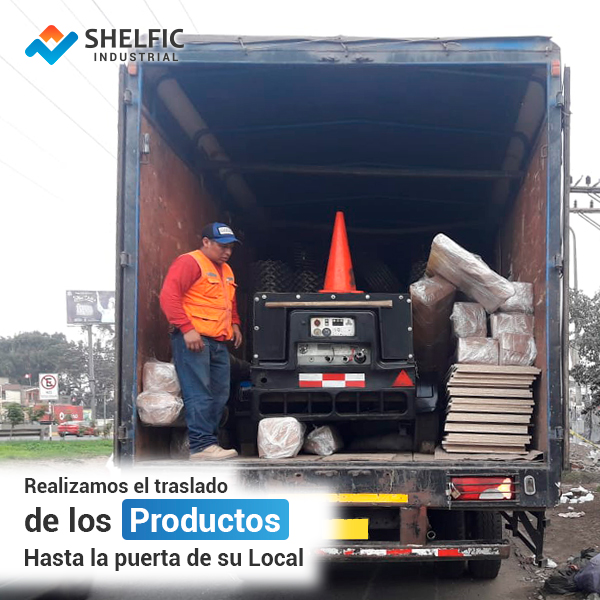
Si, lo que quieres es una asesoría completa 100% profesional. Nosotros vamos hasta tu local, y te ayudamos.


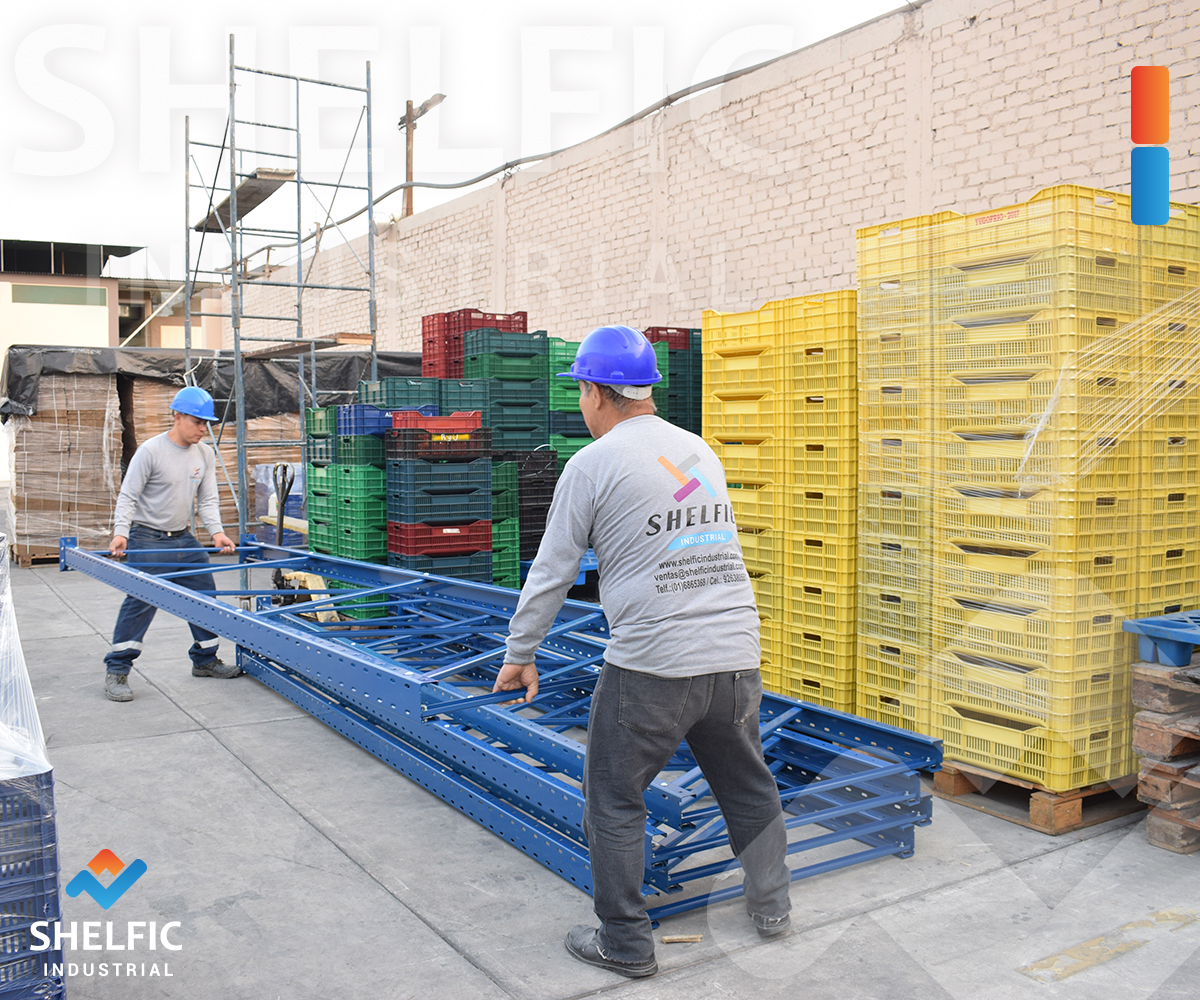
Estantería para Optimizar Espacios:




Por la Implementación de su Proyecto con Nosotros, le Ofrecemos
Servicios Exclusivos Completamente GratisAdemás, contamos con muchos Beneficios y Promociones.