
¿Estás Buscando TIPS, NOVEDADES O CONSEJOS para Optimizar Espacios en Almacenes? Este es el lugar adecuado.
📌Externally Validated 40 Super Hot Slot Validated for UK
Player safety and game honesty are non-negotiable for UK online gaming 40superhot.uk. We have confirmation that the popular 40 Super Hot slot machine has completed a stringent independent third-party verification process tailored for the UK market. A testing house accredited by the UK Gambling Commission conducted this validation. It gives players a tangible layer of assurance. The audit certifies the game’s Random Number Generator (RNG) systems, guaranteeing that every spin is random and equitable. For players in the UK, this external check changes the title. It goes from a basic entertainment product to a validated and trustworthy game that fulfills the country’s strictest regulatory demands.
Comparing Verified vs. Non-Verified Slots
The distinction between a verified slot like 40 Super Hot for the UK and a non-verified game is notable. It focuses on security and legal conformity. A verified slot has been through an independent audit trail. It results in a document that can be traced back to the testing house and the specific build of the game software. Non-certified games cannot be legally offered by UKGC-licensed operators. They lack this transparent accountability. Their RNG systems may not have undergone independent scrutiny. This leaves theoretical room for interference. They might also include programming errors that wrongly distort the odds, whether by accident or on design.
From a player’s viewpoint, engaging with a non-certified slot involves inherent risks. The advertised RTP and game features cannot be independently checked. Beyond that, playing such games on platforms without a UKGC license eliminates the entire British consumer protection safety net. This includes access to the free and independent Alternative Dispute Resolution (ADR) service. Certified slots provide more than just game fairness. They verify the operator is part of a regulated ecosystem. This ecosystem requires responsible gambling tools, secure banking, and player fund segregation. The certification acts as the primary link in a chain of trusted safeguards.
The Technical Process of Slot Verification
Slot machine verification is a detailed, multi-stage task done in a regulated lab setting. It starts when the testing house gets the complete game software package and its theoretical documentation from the developer. Auditors then configure a closed test system to run the game independently of any live casino server. The first phase is a full code review. Programmers scrutinize the source code line-by-line. They hunt for errors, hidden functions, or vulnerabilities that could be exploited to manipulate outcomes. This ensures the game’s logic is sound and matches its rulesheet perfectly.
Next comes simulation-based testing. Using specialised software, auditors run the game hundreds of millions, even billions, of times. This gathers a vast dataset of results. The data is then processed to calculate the empirical RTP. This must be within a strict statistical confidence interval of the theoretical RTP. The RNG is tested with a battery of randomness tests. For 40 Super Hot, verifiers would also validate the fixed 40-payline win calculation engine works flawlessly under every possible symbol combination. Only after every component passes does the testing house release its formal certificate. This certificate is linked to a specific, unalterable version of the game software.
Phases of the Audit Cycle
The audit cycle is not a one-off event. It’s an ongoing process. The initial certification is the most intensive stage. After that, any update to the game software activates a re-testing requirement for the changed parts. A visual change, a platform migration, or a modification to the paytable all qualify. This is known as a delta audit. Furthermore, accredited testing houses often conduct periodic re-certifications. These ensure that the live game on an operator’s server remains identical to the version first certified. This end-to-end lifecycle management prevents «version drift.» It assures the game played today is as fair as the one that originally passed the audit.
How Players Can Recognize Verified Games
UK players can and should make a habit of identifying verified games. It’s a regular part of safe play. The most straightforward method is to play only with operators that hold a valid UK Gambling Commission license. This legally compels them to provide only certified games. Once on a licensed site, players can commonly find fairness information in the website footer. Look for links labelled «Game Fairness», «Certified RNG», or «Responsible Gaming». Here, operators often list their testing partners. Sometimes they provide links to the certification reports. Many game developers also display the tester’s logo on the game’s loading screen or information page.
For a certain title like 40 Super Hot, a player can take a few simple steps. First, check the game’s «Help» or «Information» screen inside the game window. Certified RTP and key fairness statements are often listed there. Second, look for a small seal or logo from an accredited tester. eCOGRA’s «Tested and Certified» badge or a GLI logo are common examples. Finally, reputable online casino review sites and player forums often highlight the licensing and verification status of games and operators. Making this quick check a routine part of play ensures your gaming experience rests on a foundation of guaranteed fairness and security.
The purpose of the UK Gambling Commission
The UK Gambling Commission (UKGC) is the regulatory body that regulates commercial gambling in Great Britain. Its function in game verification is one of supervision and accreditation. The UKGC does not conduct the direct testing itself. Instead, it establishes the stringent technical standards all gambling software must meet. These encompass fairness, security, and player protection. The Commission then approves a list of independent testing houses. Firms like eCOGRA, iTech Labs, or Gaming Laboratories International (GLI) are on this list. These firms are empowered to carry out the actual audits. Operators with a UKGC license have a regulatory duty. They may only supply games certified by one of these approved third parties.
Therefore, the validation of 40 Super Hot for the UK market is fundamentally a requirement of the UKGC’s licensing framework. The Commission holds the power to examine certification reports. It can carry out its own spot-checks and apply severe penalties for any breach of its standards. Penalties comprise unlimited fines and license revocation. This creates a solid regulatory chain. The developer creates the game. A UKGC-approved tester validates it. The licensed operator offers it. The Commission oversees over it all. This multi-layered system strives to build one of the safest online gambling jurisdictions in the world for consumers.
Why This Verification Is Important for UK Players
For a UK player, this external validation is far from a technical box-ticking exercise. It is a essential piece of consumer protection. The UK Gambling Commission demands all games from licensed operators to be fair. The third-party seal delivers transparent and objective proof of that fairness. It allows players experience 40 Super Hot with confidence. They understand the game has no hidden flaws or biases. This counts in an online landscape where trust must be built digitally. Recognizing an independent body has scrutinised the game reduces worries about software integrity. Players can focus on the entertainment, secure in the knowledge that outcomes are provably random and the rules are strictly enforced.
This verification also supports informed choice. Players understand that slot traits like volatility and RTP are long-term averages. The certification process guarantees these figures are not marketing fiction. They are precise reflections of the game’s programming. When a UK player spins the reels of a verified 40 Super Hot, they can do so with assurance. The game’s challenging, high-volatility experience is authentic. It confirms that the potential for big wins and the extended dry spells are both functions of a certified random system. They are not the result of arbitrary design. This builds a foundation of trust. That trust is vital for a sustainable and responsible gaming environment.
Repercussions for Game Creators and License Holders
For software developers like the creators of 40 Super Hot, independent certification is a required expense of entering the regulated UK market. The process demands a big investment in time, money, and technical transparency. Developers must compile comprehensive records. They must provide complete access to their code and cooperate closely with testers to rectify any discrepancies found. This can be a difficult process. But it acts as a robust quality assurance system. It often identifies glitches or shortcomings the developer’s own QA process might have failed to catch. In the end, a successful certification becomes a valuable marketing advantage. It demonstrates a pledge to honesty that appeals to operators and careful players.
For UK online casino operators, the implications are just as binding. They must maintain an certified portfolio of games. They are liable for guaranteeing the game version they provide matches the certified version exactly. They encounter UKGC inspections and must provide certification documents promptly when requested. Providing an untested or altered game is a grave infraction of their licence conditions. As a result, reputable operators forge solid partnerships with both developers and testing houses. They incorporate the certification pipeline into their own compliance procedures. This joint obligation creates a three-tier verification system. It preserves market standards.
The Thorough Validation of 40 Super Hot
The certification of 40 Super Hot zoomed in on several points key to its classic fruit machine style. Verifiers first established the integrity of the 5×3 reel setup and the 40 fixed paylines. They needed proof that wins are calculated correctly based on the published paytable. Next came a deep analysis of the RNG algorithm. This guaranteed that symbols landing on each reel position are completely independent and random for every spin. No hidden patterns or cycles are present. Since this classic slot lacks complex bonus rounds, the audit focused more on the core reel mechanics and the frequency of winning combinations. This established the game’s high-volatility nature is accurately portrayed.
Core Technical Factors Examined
The technical audit represented the core of the verification. Testers built a simulated environment to run the game’s software through billions of cycles. Doing this in real-time play would be impossible. This massive sample of data was then analysed. The goal was to prove statistically that the game’s long-term RTP matches its theoretical value. Every symbol’s weight and probability on each virtual reel strip was checked for consistency. The verification also safeguards the game’s client-server communication. This makes the spin result generated by the server RNG the exact result shown on the player’s screen. Nothing can be manipulated during transmission.
RNG and Paytable Certification
The RNG and paytable audit is at the core of the certification. The RNG, often a hardware-based system in a server farm, is tested for true randomness. Testers use industry-standard suites like Diehard or NIST tests. For the paytable, auditors check that the probability of each winning symbol combination directly links to its prize value. These contribute to the game’s overall published RTP. For 40 Super Hot, this meant a meticulous review of the odds for landing the lucrative 7 symbols or the various fruit combinations. This validates the game’s high-variance nature. It is not the product of rigged odds, but of a genuine and verified mathematical model.
Comprehending Independent Verification in UK Gaming
External verification is the yardstick for trust in electronic gaming. This isn’t an inside check run by the game maker or the casino. Instead, an external organisation with no financial stake in the game’s success conducts the audit. These entities possess accreditation from the UK Gambling Commission, the industry’s main regulator. Their job is to dissect the game’s core software, its math models, and its operational code. They verify everything against UK law. This separation is crucial. It builds an objective wall between the creator’s business goals and the player’s right to a fair game.
The verification encompasses a huge amount of ground. Auditors conduct a thorough review of the game’s source code. They verify the advertised Return to Player (RTP) percentage is mathematically correct and cannot be changed after certification. They perform millions of simulated spins to test the RNG’s chaos and its statistical spread. For a slot like 40 Super Hot, they confirm that bonus features trigger exactly as the rules describe. They also verify that every graphical result matches the underlying RNG outcome. This exhaustive work ends with a formal compliance certificate. Operators must be ready to show this document to the regulator if asked.
Prospects for Game Verification and Player Assurance
The future of game verification will likely involve more transparency. Players could get more direct access to fairness data. We may see a trend toward «open audit» systems. Here, a player could use a unique game ID to view a summary of the certification report for their specific session. Blockchain technology is also being explored. It may offer immutable, real-time proof of fair play. Each spin’s RNG seed and result might be recorded on a public ledger. Also, as game mechanics grow more complex with skill-based elements and intricate bonus labyrinths, verification methods will adapt. They will have to audit these new dimensions of gameplay rigorously.
For player assurance, the focus will broaden. It will move beyond simply proving randomness to demonstrating overall game health and responsible design. This may include verification of responsible gambling features built into the game itself. Mandatory loss limit checks or reality prompts are examples. The core principle, however, will stay the same. Independent scrutiny is essential for trust. As the UK market continues to mature, the value of the third-party verification badge will only grow. This goes for classic slots like 40 Super Hot and for next-generation games. It serves as the definitive mark of a safe, fair, and regulated gaming product.
SABÍAS QUE:
Si, lo que quieres es una asesoría completa 100% profesional. Nosotros vamos hasta tu local, y te ayudamos.



Estantería para Optimizar Espacios:



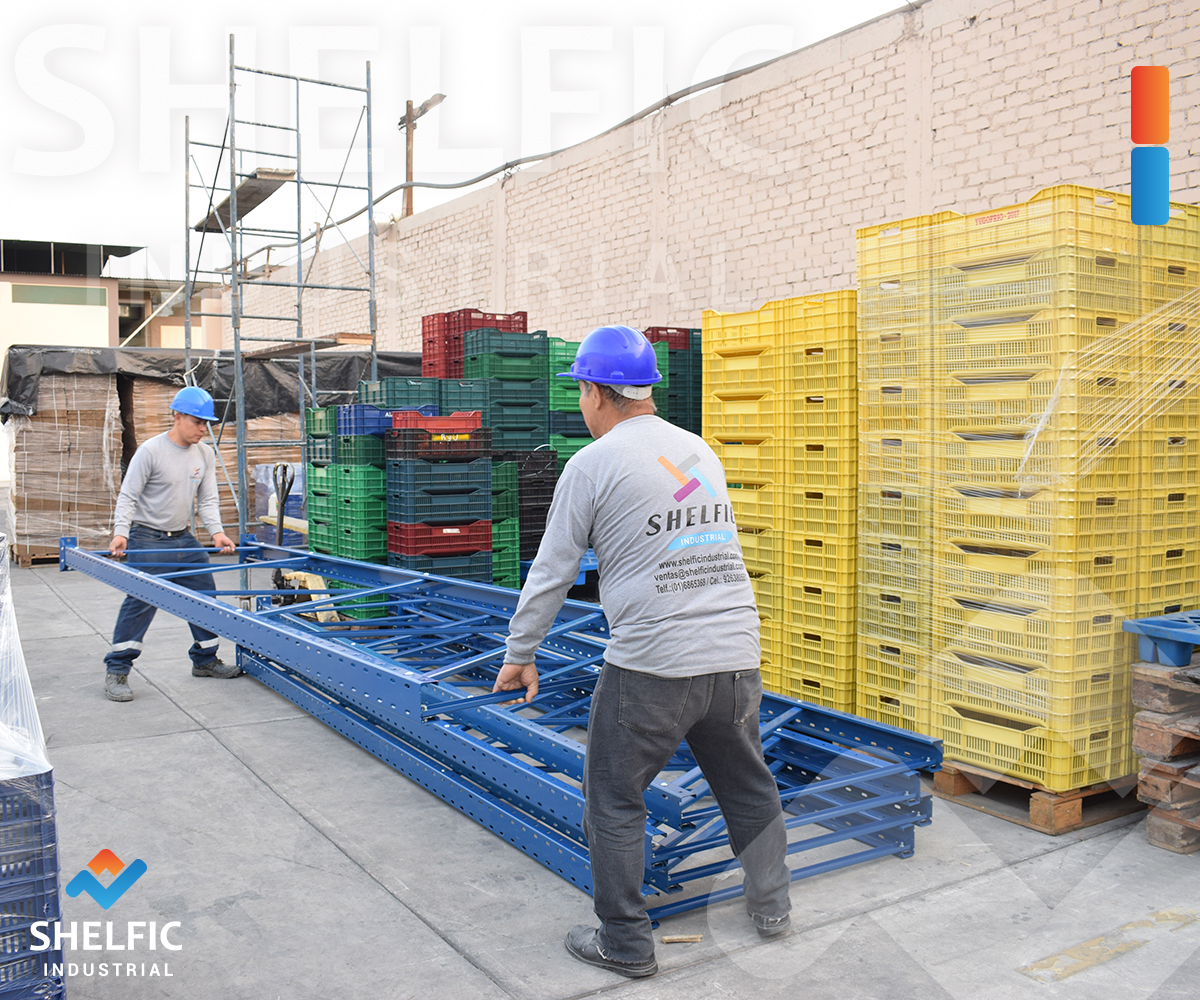

Por la Implementación de su Proyecto con Nosotros, le Ofrecemos
Servicios Exclusivos Completamente GratisAdemás, contamos con muchos Beneficios y Promociones.